The Role of Technology in Digital Banking
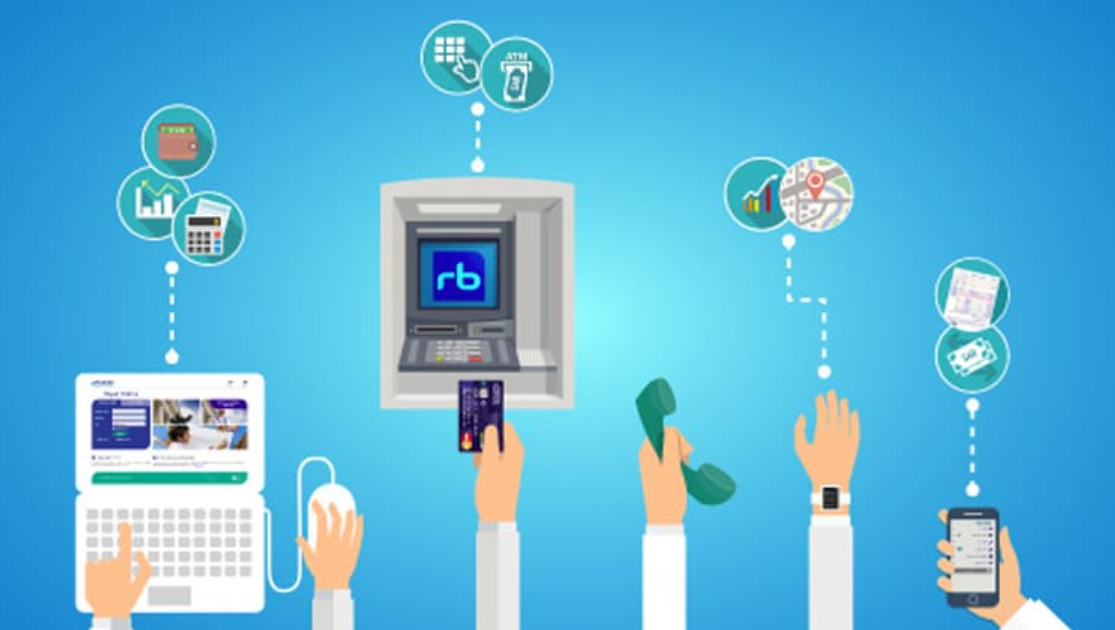
The integration of technology in digital banking has fundamentally altered how financial services operate. Mobile banking apps offer unprecedented convenience, while artificial intelligence enhances customer personalization. However, with these advancements come significant security concerns. As more consumers turn to digital platforms for their banking needs, understanding the balance between innovation and security becomes crucial. What implications do these technological shifts hold for both consumers and financial institutions in the long run?
The Evolution of Digital Banking Technology
As the financial landscape has transformed over the decades, the evolution of digital banking technology reveals a complex interplay between innovation and consumer demand.
Blockchain integration exemplifies fintech innovations, enhancing security and transaction efficiency.
These advancements not only empower consumers with greater control over their finances but also challenge traditional banking paradigms, fostering a landscape where freedom through technology becomes increasingly attainable.
See also: The Role of Technology in Carbon Reduction
Mobile Banking: Convenience at Your Fingertips
How has mobile banking reshaped consumer interactions with financial institutions?
Mobile apps have revolutionized user experience, offering unparalleled convenience and accessibility. Customers can perform transactions, check balances, and manage accounts seamlessly from their devices.
This shift not only enhances efficiency but also empowers consumers, granting them greater control over their finances.
As a result, traditional banking dynamics continue to evolve under this technological influence.
Artificial Intelligence and Personalization in Banking
The evolution of mobile banking has set the stage for a more personalized banking experience, where artificial intelligence (AI) plays a pivotal role.
AI algorithms analyze vast amounts of data, unlocking customer insights that enable banks to tailor services to individual preferences.
This personalization enhances user engagement and satisfaction, fostering a sense of autonomy and empowerment among customers in managing their financial lives.
Ensuring Security in Digital Transactions
What measures can be implemented to safeguard digital transactions in an increasingly interconnected banking landscape?
Effective encryption methods are crucial for protecting sensitive data, while robust fraud prevention strategies, such as real-time transaction monitoring and multi-factor authentication, enhance security.
As financial institutions evolve, a commitment to adopting advanced technologies will be essential in ensuring user trust and maintaining the integrity of digital banking.
Conclusion
In conclusion, the evolution of technology in digital banking has revolutionized the financial landscape, akin to the advent of the telegraph in its day, connecting consumers and institutions with unprecedented speed and efficiency. As mobile banking, artificial intelligence, and robust security measures continue to develop, they not only streamline transactions but also foster deeper relationships between customers and banks. This ongoing transformation raises essential questions about the future of banking and the balance between technological advancement and human connection.